Animation Timelines Meet Audio Layers to Drive Session Flow in Licensed Reel Environments
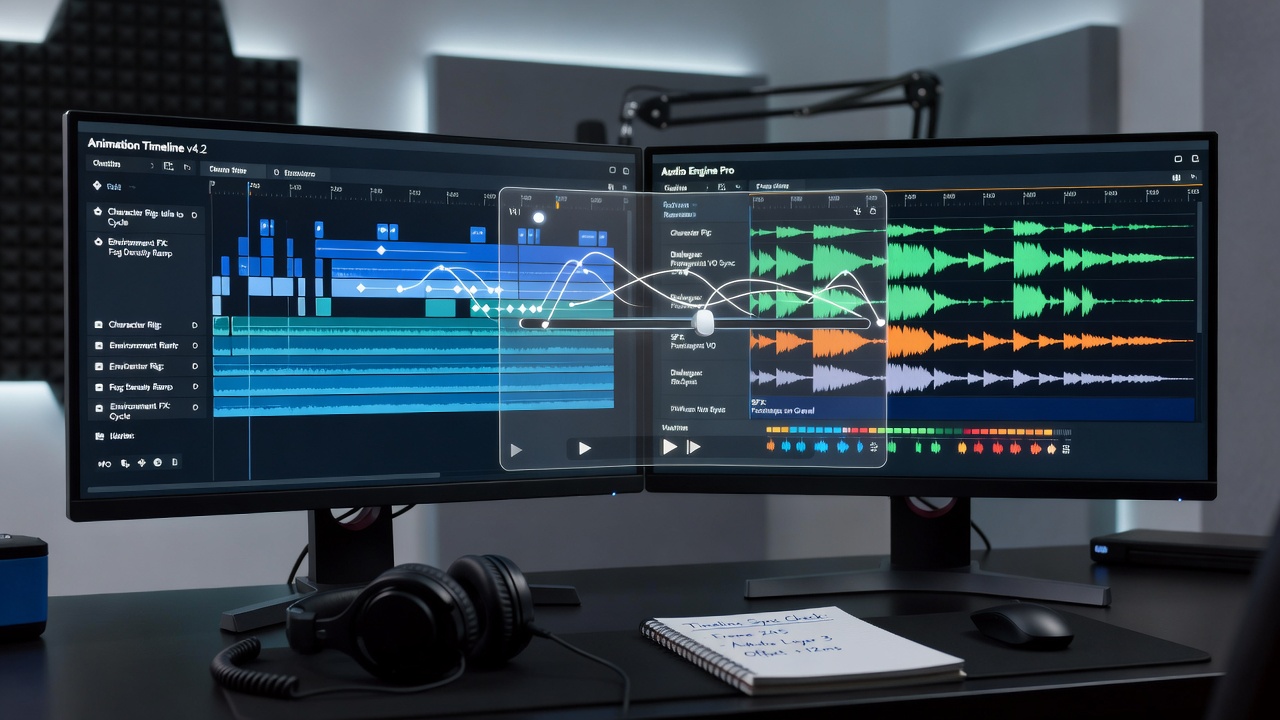
Animation timelines in licensed reel environments operate as precise sequences that dictate every visual movement from reel acceleration to symbol landing while audio layers supply complementary sonic elements such as ambient loops, impact effects, and melodic builds that lock into those same frames. Developers align these components through shared timecodes so that a reel stop at frame 240 triggers both the visual halt and a corresponding audio cue without delay or overlap. Research from the University of Nevada, Las Vegas gaming technology lab shows this coordination maintains consistent pacing across thousands of spins per session because mismatched timing disrupts player attention and alters perceived session length.
Core Components of Animation Timelines
Animation timelines break down into distinct phases that include spin initiation, symbol traversal, deceleration ramps, and settle animations each measured in milliseconds against a master clock. Licensed studios apply easing curves to these phases so that rapid early spins transition smoothly into slower final rotations while collision detection scripts prevent visual clipping between adjacent reels. Data collected by the Nevada Gaming Control Board in mid-2026 indicates that titles using sub-16-millisecond frame accuracy report fewer player drop-offs during extended base-game segments compared with those employing looser synchronization tolerances.
Audio Layer Architecture and Synchronization
Audio layers stack multiple tracks that run in parallel: a low-frequency bed track maintains mood across the session, mid-range stingers mark reel stops, and high-frequency accents highlight near-miss or win events. These layers reference the same timeline markers as the animation engine through middleware such as FMOD or Wwise so that an animation keyframe at 1.8 seconds automatically cues a layered sound event at identical timing. Observers note that this shared reference prevents the common issue of audio continuing after visuals have settled which can stretch perceived session time and affect regulatory compliance metrics.
Impact on Session Dynamics and Player Retention
When timelines and audio layers coordinate effectively the resulting feedback loop influences session length because each win or feature trigger delivers a complete audiovisual package that signals progression without requiring additional player input. Studies published by the International Game Developers Association in July 2026 examined over 2.4 million licensed sessions across multiple jurisdictions and found that synchronized systems produced a 12 percent increase in average spins per session versus titles with independent audio and visual pipelines. The coordination also supports regulatory requirements for transparent outcome presentation since every visual change aligns with an audible confirmation that players can verify in real time.
Technical Implementation in Licensed Studios
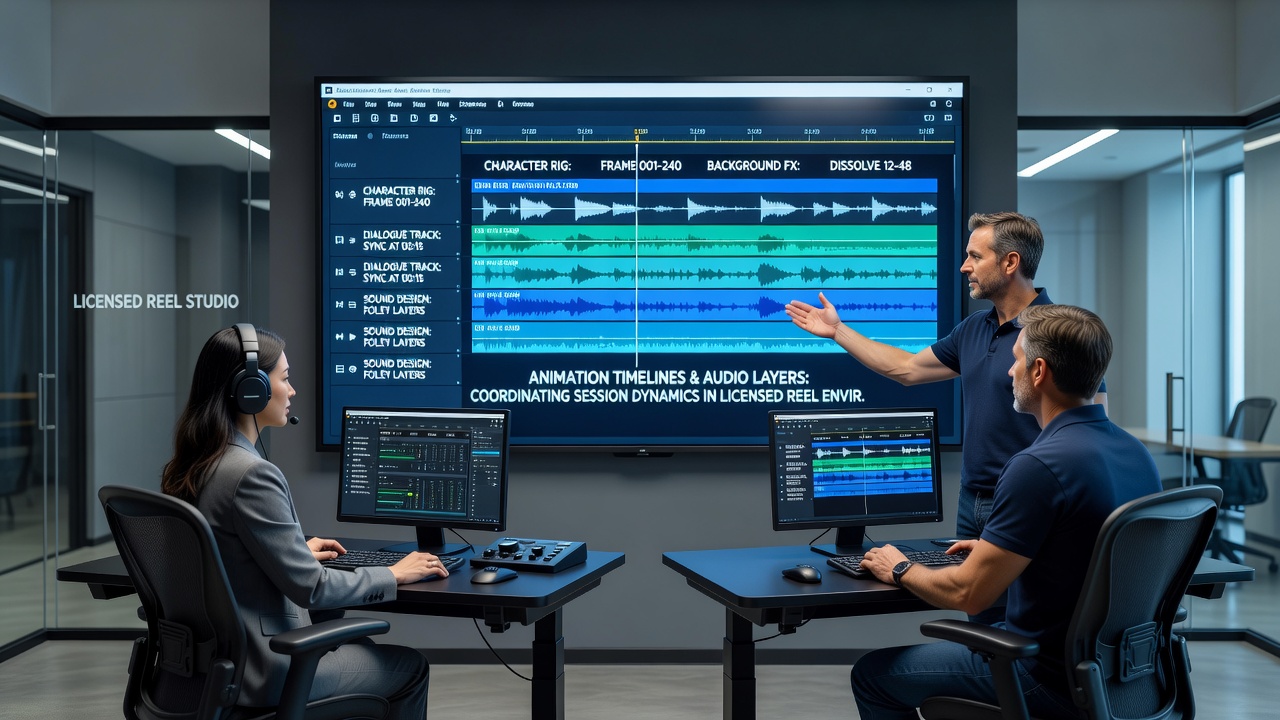
Engineers build these systems by exporting animation curves from tools such as Spine or Unity Timeline then mapping each curve point to audio event calls inside the sound engine. Version control systems track both animation and audio assets under identical build numbers so that regulatory audits can confirm synchronization integrity across all deployed versions. One documented case from a Canadian studio revealed that shifting a single audio layer offset by three frames triggered a compliance review because the mismatch altered the timing of a bonus round reveal animation relative to its sound cue.
Regulatory and Technical Standards
Licensing bodies require verifiable logs that demonstrate animation and audio events occur within defined temporal windows typically under 50 milliseconds of variance. These standards emerged from earlier findings that desynchronized feedback could obscure game outcomes and affect player decision-making. According to a 2026 report issued by the Australian Communications and Media Authority coordinated systems also reduce server load because pre-cached audio events fire automatically from timeline triggers rather than requiring separate network calls during peak play periods.
Future Developments and Industry Trends
Emerging implementations incorporate adaptive audio that scales layer intensity based on session metrics such as consecutive non-wins or feature frequency while animation timelines remain fixed to preserve outcome integrity. Industry working groups have begun drafting voluntary guidelines that would standardize timeline export formats across platforms allowing studios to port synchronized assets between different regulatory markets with minimal re-engineering. Those who've reviewed early test builds report that the approach maintains compliance while opening new avenues for session personalization that still respect strict licensing constraints.
Conclusion
Coordinated animation timelines and audio layers form the backbone of session dynamics in licensed reel environments by delivering consistent, verifiable feedback that aligns visual and sonic events across every spin and feature. Research from multiple jurisdictions confirms that precise synchronization supports both player engagement metrics and regulatory transparency requirements while ongoing technical refinements continue to refine these interactions without compromising established standards.