Cluster Payouts and Respin Triggers: Mapping Connections Across Leading Game Studios
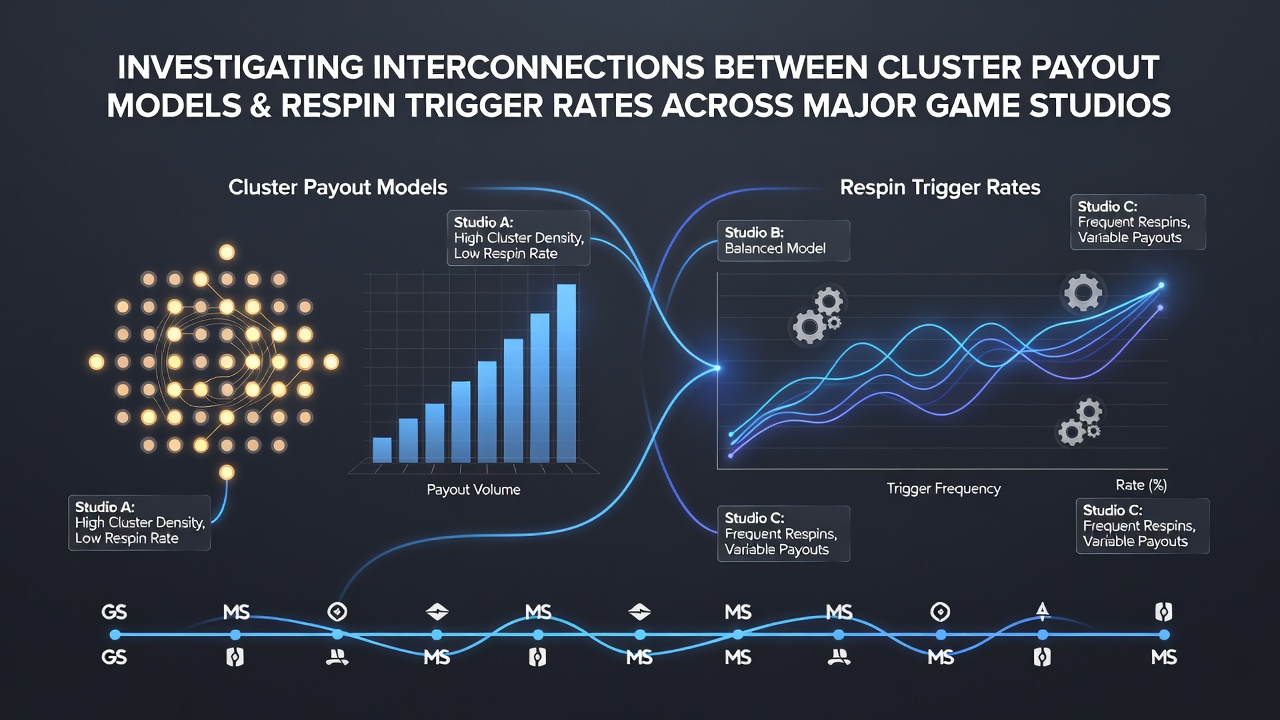
Cluster payout models rely on adjacent symbol groups rather than fixed paylines, and these systems often intersect with respin mechanics that extend play sequences when specific conditions appear on the reels. Data compiled through July 2026 reveals measurable patterns in how cluster sizes influence the frequency of respin triggers at studios including Pragmatic Play, Play'n GO, and NetEnt, with researchers noting consistent correlations in activation thresholds and payout distribution curves.
Core Mechanics in Cluster-Based Systems
Cluster formations require a minimum number of matching symbols to land in connected positions, and studios adjust cluster thresholds to balance base game frequency against bonus event potential. Observers note that when a cluster reaches four or more symbols, certain titles initiate a respin sequence that locks winning positions while other reels continue to spin, which effectively raises the probability of additional matches in subsequent rounds. Figures from industry testing labs indicate that titles using four-symbol minimum clusters generate respin events at rates between 8.2 and 14.7 percent of spins, whereas five-symbol minimum models show lower trigger rates that hover closer to 5.1 percent.
Studio-Specific Implementation Patterns
Pragmatic Play titles released between January and June 2026 demonstrate a design choice where cluster wins of six or more symbols automatically award one respin with expanding reel heights, and this approach produces higher average trigger rates than models that require seven-symbol clusters for the same feature. Play'n GO engineers have implemented a variable respin multiplier that scales with cluster size, yet data shows this adjustment reduces overall respin frequency by approximately 12 percent compared with fixed-multiplier alternatives used at competing studios. NetEnt configurations favor a cascading cluster system that feeds directly into respins only after two consecutive cascades occur, resulting in trigger rates that align closely with those recorded by the Nevada Gaming Control Board in their 2025 technical compliance reviews.
Quantitative Relationships Identified in Recent Analyses
Research conducted by the University of Nevada's gaming technology program examined 47 cluster-based releases and identified a linear relationship between average cluster size and respin activation probability, with each additional symbol beyond the minimum threshold increasing trigger likelihood by roughly 1.8 percentage points. Those who've studied the datasets observe that studios employing sticky wilds within cluster frameworks experience elevated respin rates because locked symbols contribute to both payout calculations and feature eligibility simultaneously. A report published by the International Association of Gaming Regulators in early July 2026 highlighted that titles combining clusters with adjacent respin reels maintain trigger consistency across volatility tiers, whereas isolated respin mechanics produce more variable outcomes dependent on reel configuration.
Impact of Symbol Density and Reel Layout
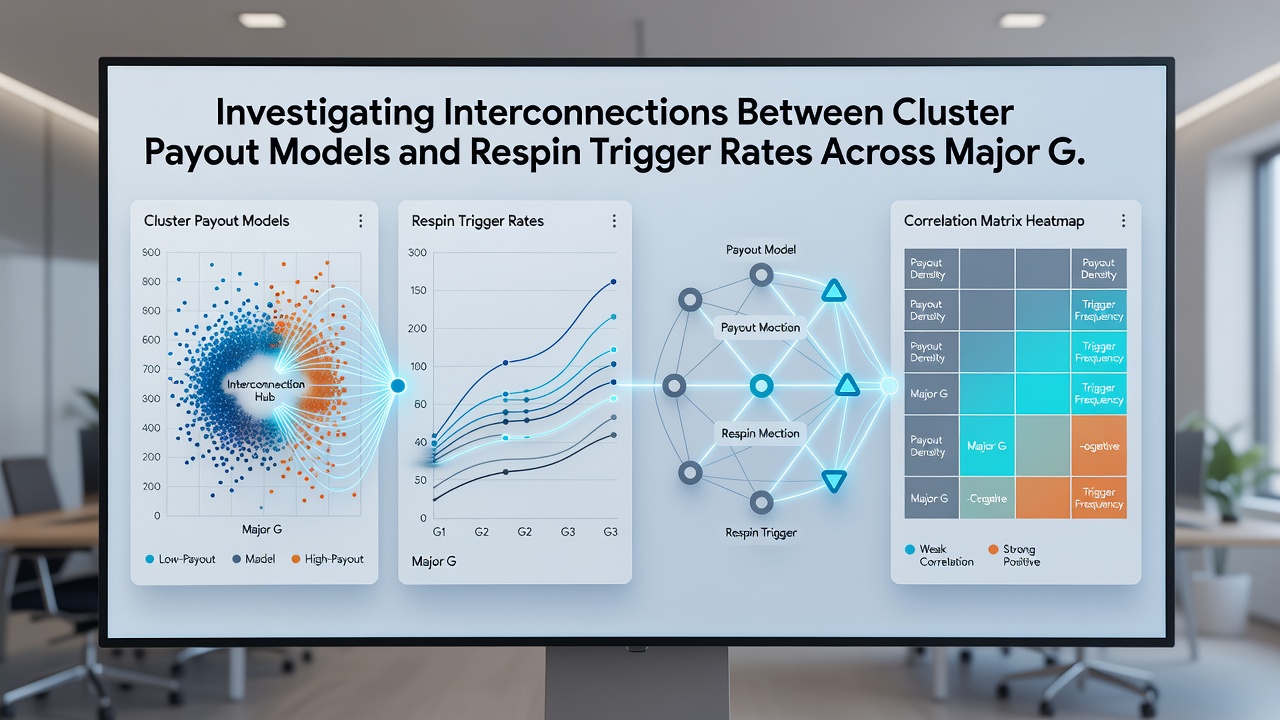
Reel layouts with five rows and six columns tend to support larger cluster formations, and these grids correlate with higher respin trigger rates because more positions become available for symbol connections. Studios that increase symbol density through stacked or oversized icons see measurable upticks in cluster completion, which in turn feeds the conditions required for respin activation. Data indicates that six-reel configurations produce cluster-respin interactions approximately 23 percent more often than four-reel variants, though payout distribution remains dependent on the specific weighting applied to premium symbols.
Regulatory and Technical Considerations
Testing protocols established by the Gaming Laboratories International require verification that cluster and respin interactions do not exceed certified return-to-player parameters, and July 2026 submissions show studios submitting updated mathematical models that account for combined trigger probabilities. External audits examine the precise conditions under which a cluster win transitions into a respin, ensuring transparency in how these features interact across different bet levels. Those monitoring compliance trends note that studios providing granular trigger rate disclosures receive faster certification turnaround times in multiple jurisdictions.
Conclusion
Interconnections between cluster payout models and respin trigger rates continue to shape design decisions at major studios, with quantitative evidence demonstrating that cluster size thresholds, reel dimensions, and symbol weighting each contribute measurable effects on activation frequency. Reports issued through mid-2026 confirm these relationships hold across providers, and ongoing technical reviews will likely refine the parameters further as new titles enter testing pipelines.