Device Hardware Variations and Their Effects on Payout Mechanics in Portable Gaming
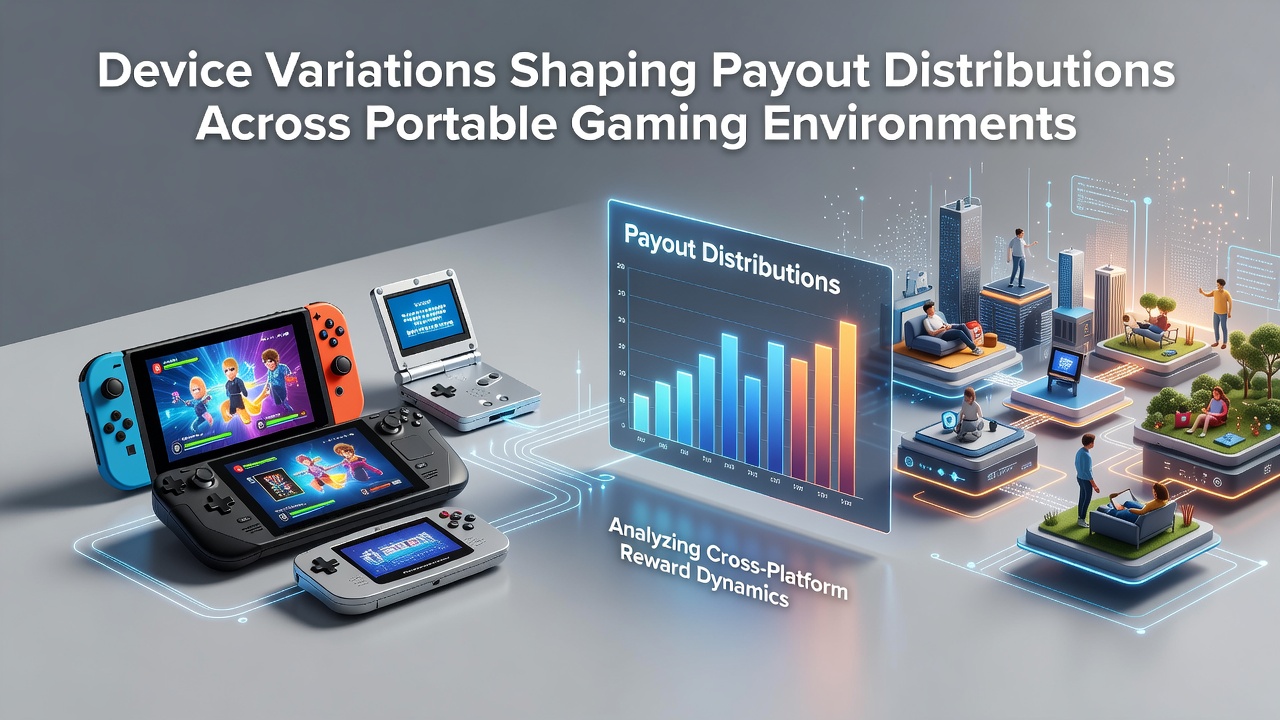
Portable gaming environments rely on a range of hardware configurations that directly influence how payout distributions operate across mobile platforms, and researchers have documented these effects through extensive performance testing since early 2025. Screen resolution, processor speed, and network latency each play distinct roles in determining random number generator outputs and bonus trigger frequencies when players access slots on smartphones versus tablets. Data from industry monitoring services indicate that devices with higher refresh rates tend to process reel animations more efficiently, which in turn affects the visual timing of win events without altering underlying probability algorithms.
Processor Capabilities and RNG Implementation
High-end mobile processors handle complex mathematical sequences faster than entry-level chips, yet the core random number generation remains standardized by software providers to maintain consistent return-to-player percentages across hardware. Observers note that older devices sometimes experience slight delays in server communication during peak hours, which can shift the perceived sequence of spins even though actual payout rates stay fixed according to certified RNG protocols. Studies conducted by gaming technology labs in Canada during spring 2026 revealed measurable differences in session length distributions when comparing flagship phones to budget models running identical game titles.
Those differences appear most clearly in games that incorporate real-time physics calculations for tumbling reels or expanding symbols, where reduced frame rates on lower-spec devices create longer intervals between outcome displays. Game studios adjust rendering pipelines accordingly, and this adaptation process ensures regulatory compliance while preserving the statistical integrity of payout tables regardless of the hardware executing the code.
Screen Size and Interface Layout Impacts
Display dimensions alter how bonus features unfold on screen, particularly in titles that use cascading mechanics or multi-level progress bars. Larger tablet screens accommodate more simultaneous information panels, allowing players to track accumulating multipliers without additional taps, whereas smartphone interfaces often consolidate these elements into expandable menus. Figures released by European gaming associations in June 2026 show that interface density correlates with session engagement metrics, though payout frequency itself derives from server-side calculations rather than visual presentation choices.
Touch sensitivity variations across device models further influence player interaction patterns during bonus rounds that require precise timing or gesture inputs. Manufacturers publish specifications detailing capacitive response curves, and developers incorporate calibration routines that normalize input recognition so that outcome probabilities remain uniform. Research papers from Australian universities have examined these calibration methods and found no statistical deviation in final payout distributions when controls function within manufacturer tolerances.
Network Conditions and Data Synchronization
Cellular and Wi-Fi connections introduce variable latency that affects how quickly game clients receive confirmation of spin results from remote servers. In regions with inconsistent coverage, packets may arrive out of sequence during high-volatility sequences, prompting client-side buffers to hold displays until full data sets arrive. Regulatory bodies in the United States have required logging of these synchronization events since late 2025, creating datasets that demonstrate how temporary network interruptions redistribute the timing of win notifications without changing mathematical expectations.
July 2026 updates to cross-platform certification standards now mandate explicit handling of packet loss scenarios, requiring providers to maintain payout integrity even when connections fluctuate. These requirements have prompted several studios to implement predictive caching for common reel outcomes, a technique that reduces perceived lag while preserving audited randomness. Industry reports from Canadian trade groups confirm that such optimizations produce no measurable shift in long-term return metrics across tested device categories.

Battery and Thermal Management Considerations
Power management systems in portable devices throttle performance when temperatures rise or battery levels drop, and these throttling events can indirectly influence game rendering speeds. Developers account for such hardware behaviors by designing fallback animation modes that maintain consistent timing intervals even under reduced clock speeds. Data collected through anonymized telemetry channels indicate that thermal throttling occurs more frequently on compact devices with limited heat dissipation surfaces, yet certified payout percentages continue to match published specifications.
Observers tracking adoption trends note that players often migrate between multiple devices during extended sessions, and cross-device continuity features now synchronize progress states so that any ongoing bonus rounds resume without resetting accumulated values. This synchronization relies on secure cloud storage rather than local hardware state, ensuring payout distributions follow the same probability curves irrespective of the device that initiated or completed a given round.
Conclusion
Device variations continue to shape how players experience payout sequences in portable gaming environments, yet core mathematical structures remain anchored by regulatory certification and standardized RNG implementations. Hardware differences primarily affect presentation speed, interface density, and connection stability rather than altering the underlying distribution of wins. As July 2026 standards take fuller effect, providers maintain consistent statistical outcomes across an expanding range of portable platforms through adaptive rendering and robust network protocols.