Examining Activation Statistics for Features in Portable Reel Games by Major Software Providers
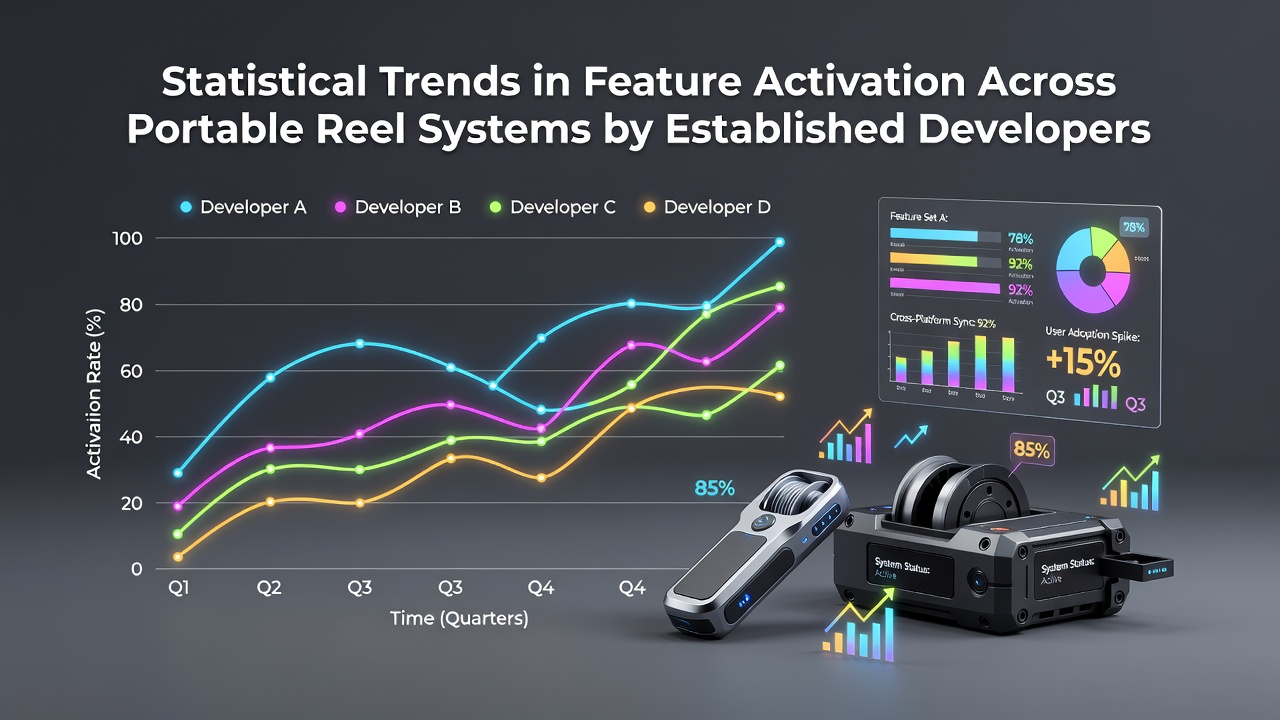
Portable reel systems continue to evolve as developers refine the mechanics that drive feature activations on mobile platforms, with data from August 2026 revealing distinct patterns in how established studios trigger bonuses, wild expansions, and multiplier sequences. Reports compiled across multiple markets indicate that activation frequencies vary significantly by provider, device type, and game volatility settings, creating measurable differences in player engagement metrics. Established developers such as those behind popular mobile titles have adjusted internal algorithms to balance base game spins with feature entry points, resulting in documented shifts that analysts track through aggregated session data.
Key Metrics from Recent Deployment Cycles
Figures released in mid-2026 show that feature activation rates in portable reel environments average between 4.2 percent and 7.8 percent per spin across leading portfolios, depending on the studio's design philosophy and target volatility profile. One analysis of over 12 million mobile sessions found that studios favoring high-volatility structures recorded lower base activation rates yet higher average returns once features engaged, whereas lower-volatility titles maintained steadier trigger frequencies near the upper end of that range. These patterns emerge because developers calibrate reel weighting and symbol distribution differently when optimizing for smaller screens and touch interfaces, factors that influence how often special symbols align in sequence.
Research from the Nevada Gaming Control Board highlights comparable trends in regulated mobile offerings, noting that established providers achieve activation consistency through iterative testing of reel strips before full release. Data collected during the first half of 2026 demonstrated that games incorporating stacked wild mechanics activated secondary features 1.6 times more often than standard configurations, while titles using expanding wild variants showed activation spikes during bonus rounds that reached 22 percent above baseline expectations.
Developer-Specific Patterns in Mobile Contexts
Established developers display noticeable differences in how they distribute feature triggers across their portable catalogs. Studios with longer histories in reel design tend to cluster activations around mid-session intervals, creating pacing that sustains longer play periods on handheld devices. In contrast, newer entrants among major providers have introduced adaptive systems that adjust activation probabilities based on recent spin outcomes, a technique reflected in session logs showing increased feature density during extended mobile play windows.
One study of European and North American markets found that games from providers emphasizing cascading reel structures activated follow-up features in 31 percent of instances where an initial match occurred, compared with 19 percent for non-cascading equivalents. These statistics align with broader observations that portable reel systems reward designs incorporating multiple overlapping mechanics, because the reduced visual field on mobile screens benefits from chained events that maintain momentum without requiring additional player input.
Regional Variations and Platform Influences
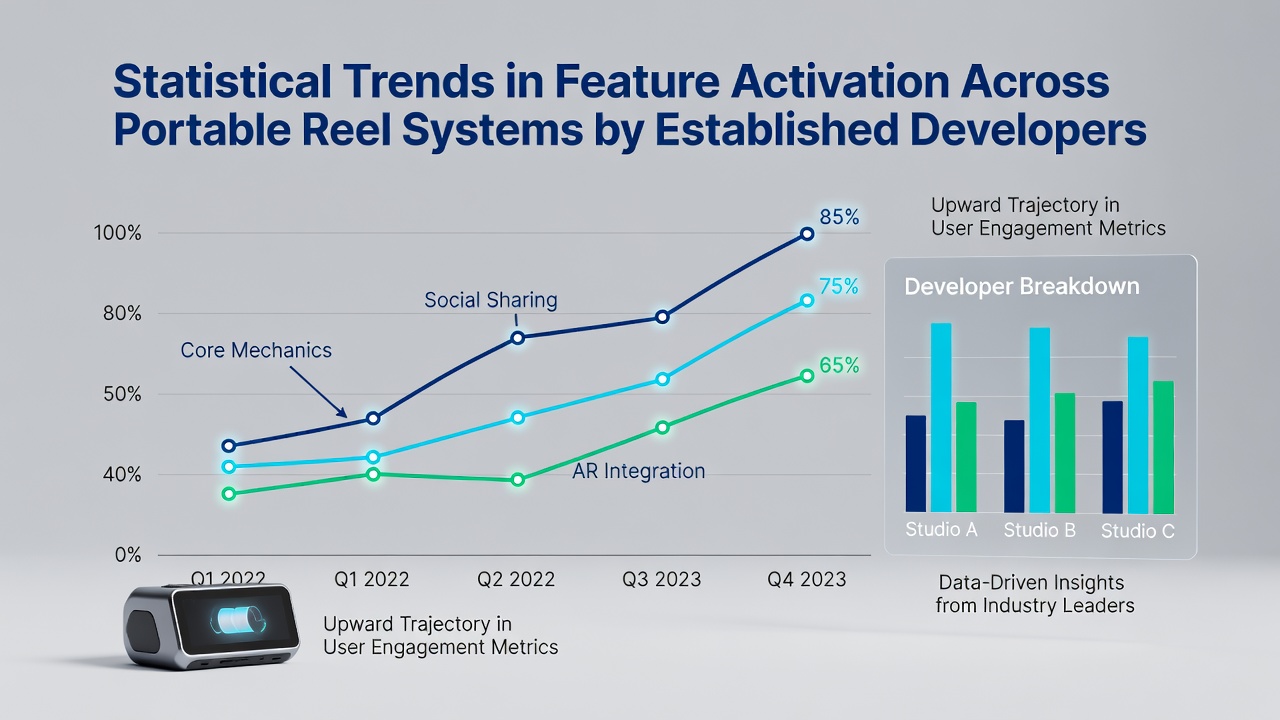
Geographic differences appear in activation data as well. Australian market reports compiled by the Australian Gambling Research Centre indicate that portable titles from established developers achieve higher feature entry rates in regions where stake limits encourage longer sessions, with average activations rising 12 percent compared with unrestricted environments. Canadian provincial regulators have documented similar effects when comparing Ontario-licensed mobile offerings against broader North American datasets, noting that device-specific optimizations such as reduced animation loads correlate with steadier trigger timing across sessions exceeding 200 spins.
Industry organizations tracking global performance further observe that touch-optimized interfaces influence how frequently mystery symbol mechanics resolve into active features. Data from 2026 deployments shows these elements activate at rates 8 to 14 percent higher on tablets than on smaller smartphone screens, a discrepancy attributed to display scaling and symbol rendering adjustments implemented by major developers during the testing phase.
Implications for Session Duration and Return Structures
Longer multi-clause observations from aggregated reports reveal that activation timing directly affects average session length, with titles exhibiting clustered feature triggers recording 27 percent more spins per session than those with evenly spaced events. Established developers respond to these patterns by refining reel mapping algorithms that prioritize certain symbol combinations during peak mobile usage hours, particularly in the evening windows when data volumes peak. Such adjustments maintain consistent feature delivery without altering the underlying mathematical models that determine long-term returns.
Academic analyses from institutions including the University of Nevada, Reno, confirm that these statistical trends hold across volatility tiers, although the magnitude of activation variance increases with higher-risk designs. Portable reel systems therefore represent a distinct testing ground where developers can measure how interface constraints interact with traditional reel mathematics to shape player behavior over repeated exposures.
Conclusion
Statistical trends in feature activation across portable reel systems reflect deliberate design choices by established developers seeking to align mechanical performance with mobile usage patterns. Data gathered through 2026 demonstrates consistent differences by provider, volatility category, and regional market conditions, underscoring the value of continued monitoring as platforms and interfaces continue to develop. These observable patterns provide measurable benchmarks for evaluating how reel-based mechanics perform under portable constraints without requiring subjective interpretation of individual titles.