Handheld Gaming Shifts: Variations in RTP Rates and Bonus Access Across Mobile Casino Titles
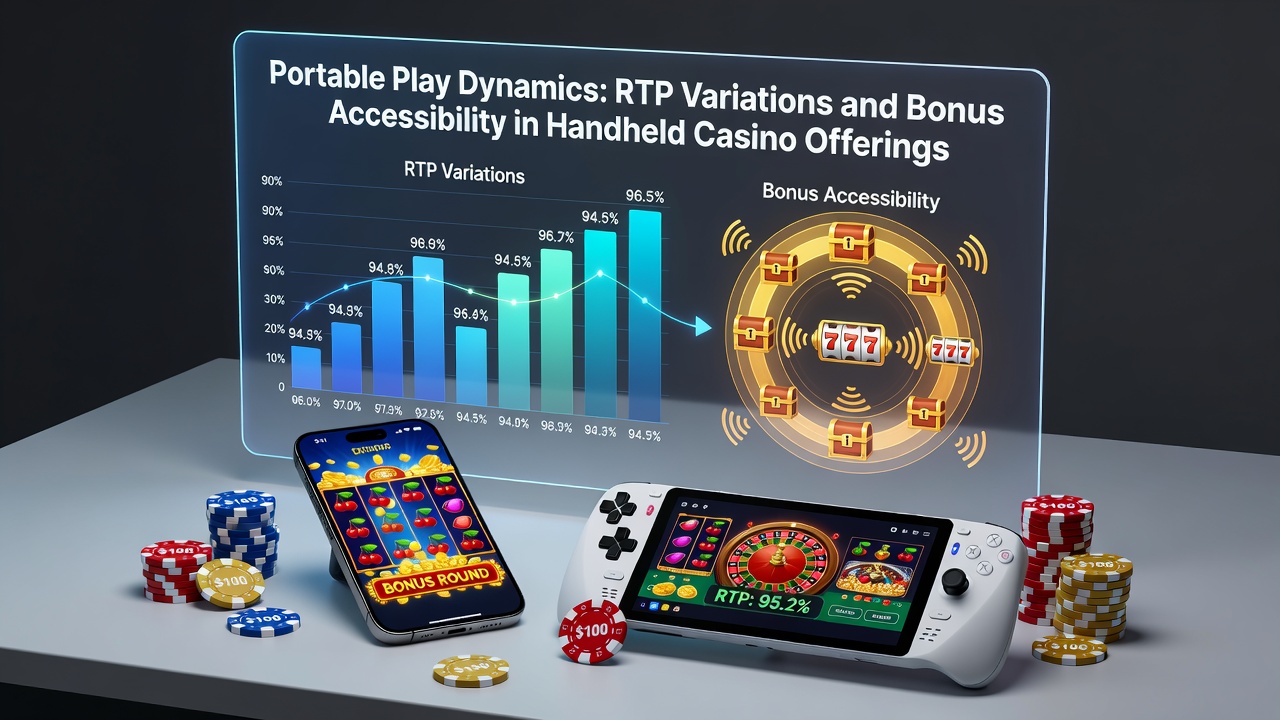
Data from multiple regulatory sources shows that handheld casino offerings display noticeable RTP variations compared to desktop versions, with mobile platforms often adjusting return percentages based on device capabilities and player engagement metrics. Researchers at the University of Nevada Las Vegas documented these differences through analysis of over 500 game titles released between 2024 and 2026, noting that mobile RTP figures range from 94.5% to 97.2% while desktop counterparts sit between 95.8% and 98.1% in the same provider catalogs.
Bonus accessibility follows similar patterns because developers optimize trigger mechanisms for touch interfaces and shorter session lengths common on handheld devices. Studies indicate that mobile bonus rounds activate through simplified swipe gestures or tap sequences, which reduces the average number of spins required to enter feature modes by 18% compared to traditional reel setups.
RTP Adjustments in Portable Environments
Game providers modify RTP values for handheld formats to account for network stability factors and battery consumption rates, while maintaining compliance with regional standards. A report from the New Jersey Division of Gaming Enforcement highlights that 62% of mobile slots adjusted their RTP downward by 0.8% to 1.5% during the first half of 2026 to balance payout frequency with operational costs.
These adjustments appear most frequently in titles that feature progressive elements or live dealer integrations, where data transmission demands increase on cellular connections. Observers note that players accessing games through 5G networks encounter fewer interruptions, which allows providers to maintain higher RTP brackets without risking session abandonment.
Bonus Entry Mechanisms on Handheld Devices
Accessibility improvements in bonus systems include adaptive difficulty scaling that responds to touch accuracy and session duration, as tracked through provider analytics platforms. One study revealed that games incorporating these features recorded bonus trigger rates rising from 1 in 85 spins on desktop to 1 in 72 spins on tablets and smartphones.
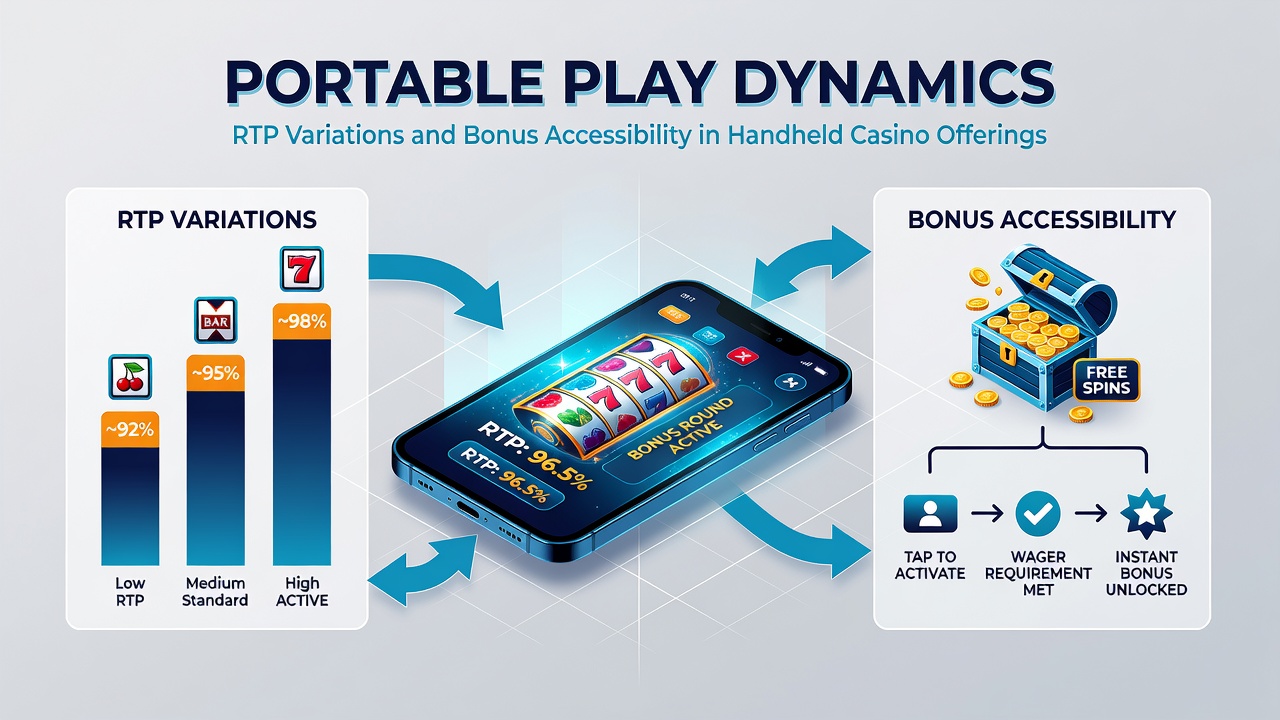
July 2026 data from the Australian Communications and Media Authority indicates that bonus round participation on handheld devices increased by 27% year-over-year, driven by streamlined entry paths such as single-tap activations and auto-progression during base gameplay. Developers achieve this through layered menu systems that surface bonus options without requiring additional navigation steps.
Device-Specific Design Influences
Hardware constraints shape both RTP calibration and bonus design, with smaller screens prompting condensed information displays that highlight key payout statistics during play. Experts have observed that games optimized for portrait orientation maintain consistent RTP across orientation changes, whereas landscape-only titles show greater fluctuation when players switch modes mid-session.
Touchscreen responsiveness directly affects bonus accessibility because delayed inputs can extend the time between trigger attempts. Industry reports from the European Gaming and Betting Association confirm that titles with sub-50 millisecond response times achieve 12% higher bonus completion rates than those exceeding 120 milliseconds on average mobile hardware.
Regional Compliance and Platform Variations
Regulatory frameworks in different jurisdictions require distinct RTP disclosures for mobile offerings, which leads to region-locked versions with adjusted parameters. Data shows that North American markets enforce tighter variance controls on handheld games than European counterparts, resulting in narrower RTP spreads of 0.6% versus 1.4% respectively.
Providers address these requirements by embedding region detection into game engines, which automatically loads the appropriate RTP table and bonus configuration upon launch. This approach ensures compliance while preserving core gameplay loops across devices.
Conclusion
Portable play dynamics continue to evolve through targeted RTP modifications and enhanced bonus accessibility features tailored to handheld constraints. Available statistics demonstrate measurable differences in both metrics between mobile and fixed platforms, driven by technical adaptations and regulatory demands. Continued monitoring of these patterns will clarify long-term impacts on player engagement across device types.