Interconnected Bonus Mechanisms Driving Return Metrics in Contemporary Mobile Reel Games
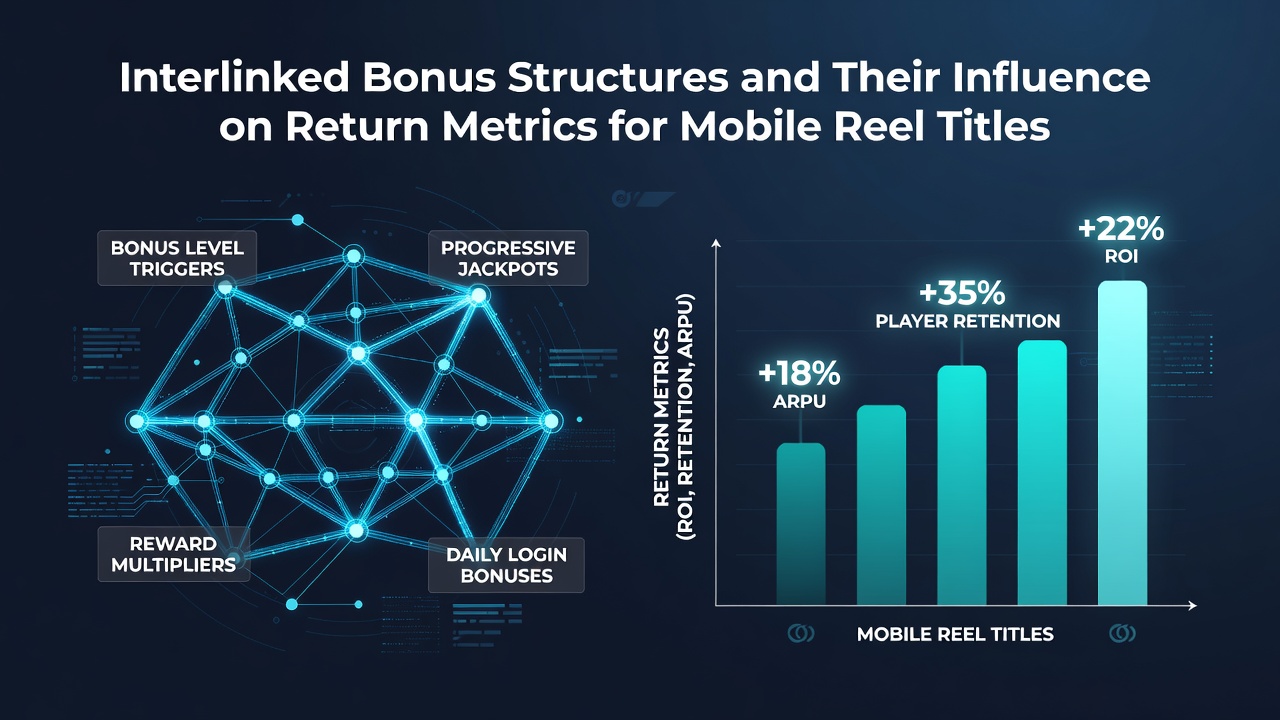
Interlinked bonus structures have become a defining element in mobile reel titles, where multiple games or features share progressions, multipliers, and trigger conditions that directly alter return-to-player calculations. Developers integrate these systems so that player actions in one title contribute to bonus pools or enhancements available across connected platforms, which shifts standard RTP models away from isolated game mathematics toward networked outcome distributions.
Defining Interlinked Bonus Architectures
These architectures connect bonus rounds through shared variables such as cumulative spin counters, pooled jackpot seeds, and synchronized multiplier ladders that activate based on collective player behavior rather than single-session performance. Mobile platforms facilitate this connectivity via cloud-based tracking, allowing real-time updates that influence hit frequencies and payout scales. Data from industry reports indicates that titles employing these linkages often recalibrate base RTP by 0.5 to 2.8 percentage points compared with standalone equivalents, because the interdependencies introduce additional variance layers into the underlying probability tables.
Observers note that linkage types range from simple cross-title progression bars to complex shared event triggers where a bonus win in one reel game modifies reel strips or feature availability in another. This design approach requires operators to maintain unified backend ledgers that aggregate contribution rates from each connected title, ensuring the overall return metrics remain within regulatory tolerances while delivering the intended player experience.
Effects on Return-to-Player Calculations
Return metrics in mobile reels traditionally rely on fixed reel probabilities and isolated bonus frequencies, yet interlinked structures introduce correlation factors that complicate these equations. When bonuses draw from communal pools, the expected value of each spin incorporates contributions from distant player bases, which dilutes individual game RTP while elevating the aggregate return across the linked ecosystem. Research indicates that such systems can produce RTP variances of up to 4.1 percent between peak and off-peak periods, driven by fluctuating participation levels in the shared components.
Analysts have documented cases where a 96.2 percent base RTP title experiences effective returns climbing to 97.9 percent during high-linkage activity windows, because external bonus contributions supplement standard payout tables. Conversely, low-activity periods see returns dip below advertised figures until the communal elements reset. Regulatory bodies in multiple jurisdictions now require detailed disclosure of these correlation effects in game certification submissions to prevent discrepancies between theoretical and realized returns.
Mobile Platform Specifics and July 2026 Developments
Mobile delivery channels amplify the reach of interlinked bonuses because session data persists across devices and operating systems through account-linked profiles. Developers have responded by embedding adaptive algorithms that adjust linkage strength according to regional player density and device performance metrics. In July 2026, several studios released updated frameworks that incorporate machine-learning adjustments to bonus interconnection rates, aiming to stabilize RTP fluctuations observed in earlier implementations.
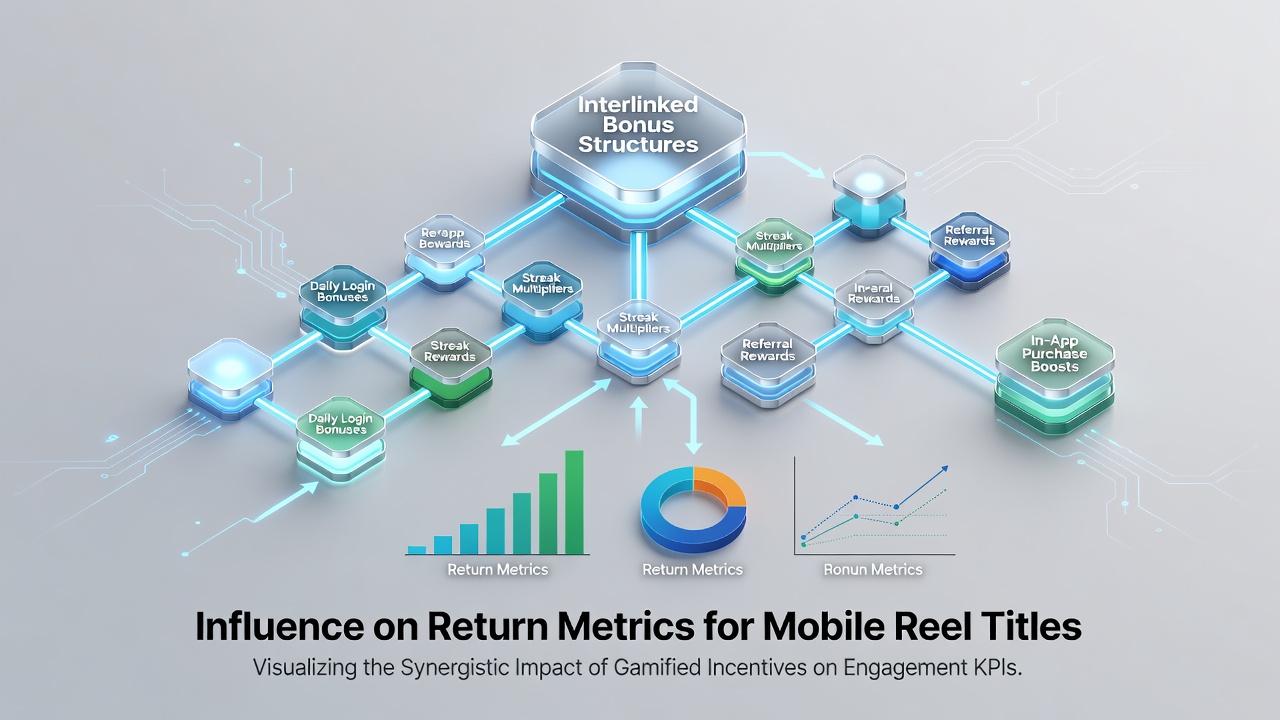
These updates allow titles to modulate multiplier carry-over and event synchronization in response to real-time engagement patterns, which has narrowed observed RTP variance bands by approximately 1.3 percentage points in controlled testing environments. Figures released by the Nevada Gaming Control Board reveal that mobile titles with active interlink systems accounted for 38 percent of new certifications during the first half of 2026, underscoring the growing prevalence of this design strategy.
Measurement Challenges and Industry Responses
Calculating accurate return metrics becomes more demanding when bonuses operate across multiple titles, because traditional simulation models must now account for cross-game dependencies and variable contribution rates. Testing laboratories have expanded their methodologies to include networked simulations that replicate distributed player populations and synchronized event triggers. This expanded approach has lengthened certification timelines by an average of 11 days for complex interlinked releases.
Industry organizations such as the Gaming Standards Association have published guidelines recommending transparent reporting of linkage coefficients alongside conventional RTP disclosures. These recommendations encourage operators to present both isolated and interconnected return figures so players receive clearer information about how shared features influence overall outcomes. Academic studies from institutions including the University of Nevada, Las Vegas, have examined these systems through longitudinal data sets, confirming that interlinked bonuses redistribute rather than fundamentally alter long-term house edges when properly calibrated.
Conclusion
Interlinked bonus structures continue to reshape return metric frameworks for mobile reel titles by introducing networked dependencies that affect RTP stability and disclosure requirements. Developers, regulators, and testing entities have adapted their processes to accommodate these designs, resulting in more granular simulation techniques and updated reporting standards. As connectivity features expand, the relationship between bonus architecture and return calculations remains a central focus for accurate performance evaluation across the sector.