Provider Developments Aligning Volatility Measures with Bonus Activation Frequencies in Mobile Slots

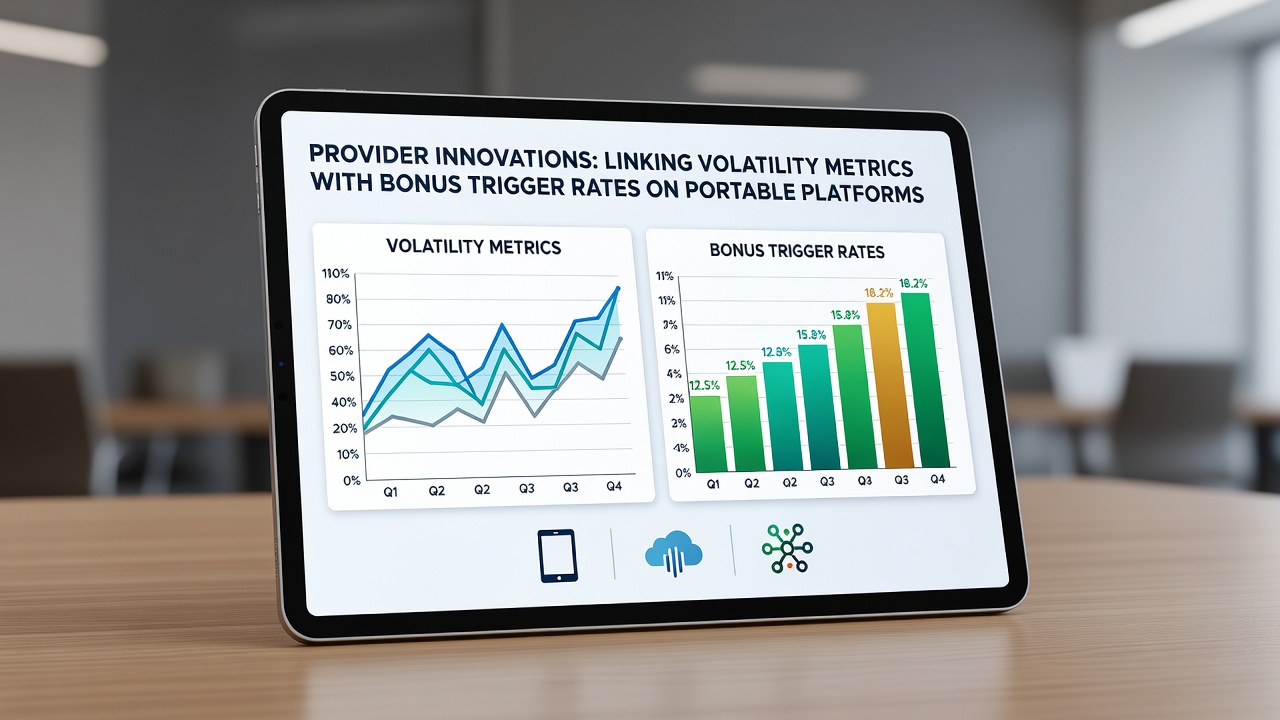
Providers continue to refine systems that connect volatility calculations directly to bonus activation frequencies across mobile platforms, and data from multiple jurisdictions shows measurable shifts in how these metrics interact during the first half of 2026. Operators report that studios now adjust reel mathematics so that higher volatility profiles correspond with altered bonus entry probabilities, creating tighter relationships between risk levels and reward access on handheld devices.
Developers implement algorithmic models that track real-time session data, then recalibrate bonus trigger thresholds based on predefined volatility bands. These adjustments appear most frequently in titles released after January 2026, when several major studios introduced portable-first engines capable of dynamic parameter shifts without requiring full game rebuilds. Observers note that this approach reduces discrepancies between desktop and mobile performance, since the same core mathematics now respond to device-specific session lengths and player behavior patterns.
Technical Integration Methods
Engineers embed volatility tracking modules within the base game loop, allowing continuous monitoring of hit frequency and payout distribution. When a session enters a high-volatility segment, the system raises or lowers the probability of bonus symbols landing on subsequent spins. This linkage operates through weighted random number generators that receive input from both historical spin outcomes and current volatility scores. Several providers have documented these changes in technical white papers submitted to testing laboratories during certification processes in spring 2026.
One implementation uses cascading reel structures where each cascade level carries a volatility multiplier that directly influences the next bonus check. Another approach applies cluster-pay mechanics in which symbol groupings above a certain size trigger an immediate recalculation of remaining bonus entry odds. These methods ensure that mobile sessions maintain consistent risk-reward alignment even when players switch between short and extended play periods.
Regional Data Patterns
Figures released by the New Jersey Division of Gaming Enforcement indicate that mobile slot sessions featuring linked volatility-bonus systems recorded a 7.8 percent increase in bonus round entries during Q1 2026 compared with the same period in 2025. Similar patterns emerged in reports from the Alcohol and Gaming Commission of Ontario, where average trigger rates for medium-volatility titles rose from 1 in 142 spins to 1 in 131 spins after providers deployed updated mobile engines. These shifts occurred without corresponding changes to overall return-to-player percentages, suggesting the adjustments redistribute rather than expand total payout mass.
Researchers at the University of Nevada, Reno examined session logs from multiple operators and found that portable platforms equipped with real-time volatility linking produced more stable bonus frequency distributions across different player cohorts. The study tracked over 2.4 million spins and concluded that the linkage reduced variance in trigger timing by approximately 12 percent relative to static systems. Such findings appear in conference proceedings presented at the 2026 International Gaming Institute symposium.
Impact on Game Design Cycles
Studios now incorporate volatility-bonus linkage testing into earlier stages of mobile development. Design teams run simulation batches that model thousands of sessions across varying volatility settings before finalizing reel strips. This practice shortens iteration times because teams can identify trigger rate imbalances during internal review rather than after external certification. Several titles launched in May 2026 incorporated these simulations, resulting in documented reductions in post-release patch requirements.
Portable hardware constraints also influence the implementation. Lower processing power on some devices prompts providers to pre-calculate volatility tables that load at session start, then apply lightweight adjustments during play. This hybrid method maintains responsiveness while preserving the statistical integrity of the linkage. Data from Australian regulatory submissions show that games using pre-calculated tables achieved certification timelines 18 days shorter on average than those relying on fully dynamic calculations.
Future Development Directions
Industry reports suggest continued expansion of these systems into cross-device ecosystems. Providers explore methods that allow volatility metrics gathered on mobile to influence bonus parameters when the same account accesses desktop versions. Early trials conducted under oversight from the Malta Gaming Authority indicate that synchronized metrics can maintain consistent trigger expectations across platforms without introducing exploitable patterns.
Additional work focuses on integrating player-selected volatility preferences with automatic bonus frequency recalibration. A small number of titles released in June 2026 allow users to toggle between volatility presets, each of which carries its own linked trigger probability table. Regulatory filings indicate these features undergo separate compliance checks to verify that advertised rates match actual performance under each setting.
Conclusion
Provider innovations that connect volatility metrics to bonus trigger rates continue to evolve on portable platforms throughout 2026. Data from multiple regulatory sources and academic examinations demonstrate measurable effects on session statistics, while technical implementations adapt to both hardware limitations and certification requirements. These developments reflect ongoing refinement of mobile slot mathematics rather than wholesale reinvention of existing systems.