Touchscreen Triggers: Mobile Interfaces and Feature Activation in Reel Titles
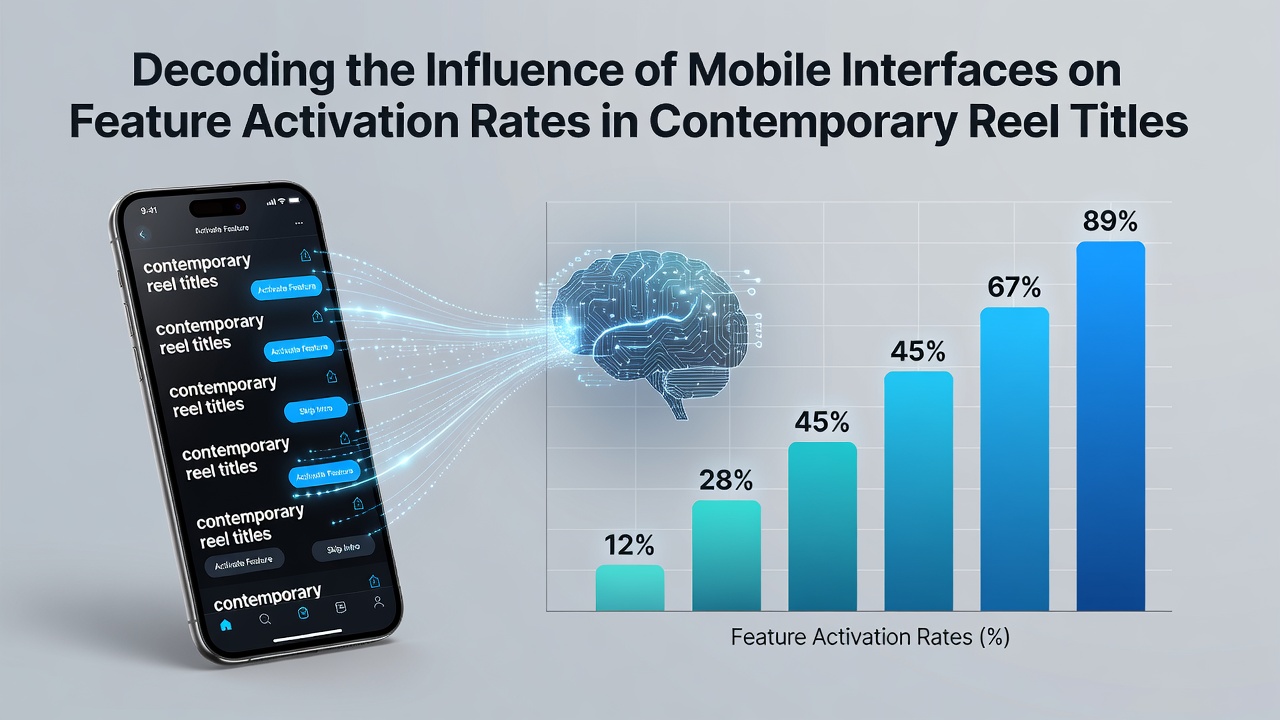
Contemporary reel titles operate within mobile environments where interface design directly shapes how often players engage with bonus mechanics and special features, and data from industry analyses continue to highlight measurable differences tied to layout choices and gesture controls. Screen dimensions, button placement, and swipe responsiveness affect activation rates across various game types, while developers adjust designs to match user behavior patterns observed in 2025 and into mid-2026.
Interface Layout and Activation Patterns
Button positioning on smaller screens influences the frequency of feature triggers because players reach interactive elements more readily when core controls sit within thumb zones, and studies tracking session data show higher rates for games that cluster spin and bet adjustments near the bottom edge. Larger displays allow for expanded information panels without crowding touch targets, which reduces accidental activations yet supports deliberate selections that lead to bonus entries. Developers have noted these patterns through aggregated telemetry, adjusting spacing and icon sizing accordingly.
Gesture-based inputs such as long presses or drag mechanics introduce additional variables since consistent recognition across devices varies by operating system updates released in early 2026, and titles that standardize swipe directions report steadier activation statistics compared with those relying on multiple gesture types. Observers tracking performance metrics across markets point to simplified controls correlating with steadier engagement during extended play sessions.
Device Variability and User Behavior Data
Different hardware configurations produce distinct outcomes because varying screen resolutions and refresh rates alter visual feedback timing during feature sequences, and reports compiled through July 2026 indicate that mid-range devices often register slightly lower activation rates when animations lag behind user input. High-refresh displays maintain smoother transitions that encourage repeated attempts at feature access within the same session.
Regional usage trends add further layers since players in high-mobility settings tend toward shorter sessions on phones while tablet users extend play periods that allow more opportunities for bonus rounds to appear, and analytics platforms tracking these differences provide developers with segmented statistics that guide interface refinements.

Design Adjustments and Measured Outcomes
Studios implement adaptive scaling that responds to device orientation changes, and titles incorporating automatic adjustments for portrait versus landscape modes demonstrate more consistent feature activation across player bases according to aggregated reports from multiple providers. Text size and contrast settings also play roles because readable instructions during bonus explanations reduce confusion that might otherwise interrupt activation sequences.
Research conducted through academic partnerships with gaming technology departments at institutions such as the Australian Gambling Research Centre has examined these elements through controlled trials, revealing correlations between interface clarity and the number of successful feature entries per session. Similar work referenced by the Pennsylvania Gaming Control Board tracks comparable metrics within regulated markets where mobile play dominates overall volume.
Feature Mechanics and Touch Responsiveness
Bonus structures that require precise selections during mini-games show sensitivity to touch target sizing, and games that enlarge selectable areas report improved completion rates alongside higher overall activation numbers. Developers integrate haptic feedback in many recent releases to confirm inputs without visual delay, and session recordings indicate this addition supports continued interaction rather than abandonment after missed gestures.
Volatility settings interact with these design choices because higher-volatility titles benefit from interfaces that make rare feature entries feel more accessible through clear progress indicators, whereas lower-volatility games maintain steady triggers when controls remain unobtrusive during base play. Data collected through 2026 continues to map these relationships across hundreds of titles.
Conclusion
Mobile interface elements shape feature activation rates through measurable design variables that include layout, gesture support, and device adaptation, and ongoing analysis supplies developers with actionable statistics for refinement. Titles released after July 2026 incorporate lessons from these datasets, producing interfaces that align more closely with observed player behavior across hardware types and session lengths. Continued monitoring of activation metrics provides the foundation for further adjustments as technology and usage patterns evolve.